Free Crochet Cat Purse Patterns: Easy Beginner Projects
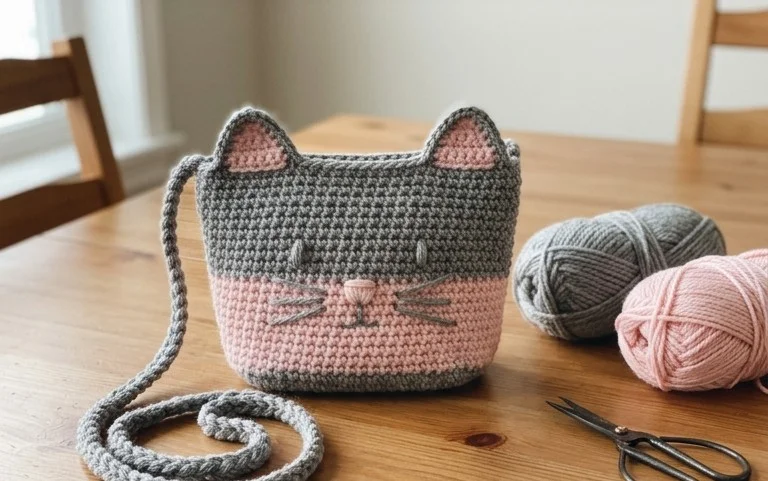
Soft cotton yarn creates the feline face of this charming accessory, providing a firm structure that keeps your small essentials secure while you are out and about. This project appeals to those who enjoy functional crafts that hold their shape, making it a reliable choice for beginners who want to move beyond basic squares. You will find that constructing the rounded ears and simple facial features offers a satisfying creative outlet without requiring advanced skills. This guide walks you through the essential stitches needed to assemble the body and attach the functional strap for a durable finished bag that earns compliments during every morning commute or weekend trip to the market.
Why You’ll Love This Pattern
This classic crochet dishcloth is designed with a durable, textured stitch pattern that scrubs effectively without being too abrasive. The pattern relies on the moss stitch—a simple combination of single crochet and chain spaces—which creates a dense, squishy fabric perfect for everyday kitchen tasks. Because it works up quickly in less than an hour, it serves as a practical project for using up leftover cotton yarn from larger tasks. Its square shape allows for easy folding and storage, and the cotton fiber ensures it remains absorbent through dozens of laundry cycles.
I managed to finish three of these during a single movie night. The texture is much better for scrubbing pans than the store-bought ones I used to purchase.
— Sarah, home crafter
Pattern Overview & Skill Level
- Skill Level: Beginner
- Approximate Time: 45–60 minutes
- Construction: Worked in flat rows using the moss stitch, finished with a simple single crochet border
- Finished Dimensions & Sizing: 8 inches by 8 inches square
Materials & Supplies Needed
- Yarn: Worsted #4 weight, 100% cotton, approximately 60 yards per dishcloth.
- Hook Size: 5.0 mm (H-8).
- Notions: Tapestry needle for weaving in ends, sharp scissors.
- Safe yarn substitutions: You may use a cotton-linen blend for increased durability. Avoid acrylic yarns, as they are not absorbent and will melt if they touch a hot pan.
Stitch Guide & Abbreviations (US Terms)
- ch = chain stitch
- sc = single crochet
- st/sts = stitch/stitches
- sk = skip the indicated stitch
- sp = space created by the chain stitch
- moss stitch = a pattern of (sc, ch 1, sk 1) across the row.
Step-by-Step Pattern Instructions
Main Body
- Row 1: Ch 32. Sc in the 4th ch from the hook. *Ch 1, sk 1 ch, sc in the next ch. Repeat from * across to the end. Turn. (16 sc, 15 ch-1 sps).
- Row 2: Ch 2 (counts as first ch and skip), sc in the first ch-1 sp. *Ch 1, sk the sc, sc in the next ch-1 sp. Repeat from * across, finishing with an sc in the turning chain space. Turn. (16 sc, 15 ch-1 sps).
- Rows 3–30: Repeat Row 2 until the piece measures 8 inches long.
Border and Finishing
- Border: Ch 1, work one round of sc evenly around the entire perimeter of the square. Place 3 sc in each corner to ensure the fabric lies flat without curling.
- Finishing: Join with a sl st to the first sc. Fasten off, leaving a 6-inch tail. Use your tapestry needle to weave the tail back and forth through the stitches on the back side of the border to secure it. Trim the excess yarn close to the fabric.
Care & Washing Instructions
- Machine wash on a warm setting (up to 140°F) to ensure the cotton remains hygienic.
- Tumble dry on a low setting or lay flat on a drying rack to prevent shrinking.
- Reshape the dishcloth while damp if the edges begin to lose their square geometry.
Pro Tips & Common Mistakes to Avoid
Maintain consistent tension throughout the project by ensuring your fingers are relaxed as you hold the working yarn. Tightening your grip during the moss stitch rows often leads to a stiff, board-like fabric that lacks the necessary scrubby texture. If you find your edges pulling inward, check your stitch count every five rows; skipping a chain space is a common error that ruins the grid pattern. To adjust the size, start with an even number of chains. Every two additional chains will increase the width by approximately half an inch, though you will need additional yardage if you choose to make the item larger than the specified 8-inch square.
Frequently Asked Questions
Can I use a larger hook for this pattern?
Using a larger hook will result in a looser, more open fabric. While this makes the project faster, it reduces the durability of the dishcloth for heavy-duty scrubbing.
Is it possible to sell the dishcloths I make?
Yes, you are free to sell any items you create from this pattern. I ask that you credit the pattern source when listing your finished goods online.
How do I know if my tension is correct?
The fabric should feel soft and pliable, not rigid. If the cloth does not drape easily when lifted, consider going up one hook size to relax your stitches.
What if I run out of yarn mid-row?
Simply join a new ball of yarn using a secure knot or the Russian join method. Ensure the knot is placed near the edge of the row so it can be hidden within the border stitches.
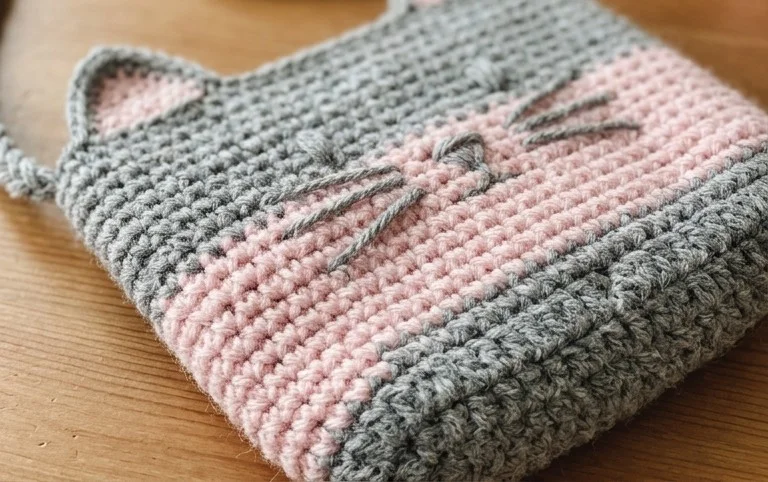
Seeing your handmade feline accessory come to life with just a few simple stitches is truly rewarding and gives you a unique item to use daily. You can easily switch to a fuzzy velvet yarn if you want a softer, more tactile experience for a winter-themed version of this small bag. Snap a photo of your finished work to show off your progress to fellow makers online. Keep browsing the blog to find more free patterns that help you build your collection of handmade goods.