Easy Dog Sweater Free Crochet Pattern for Beginners
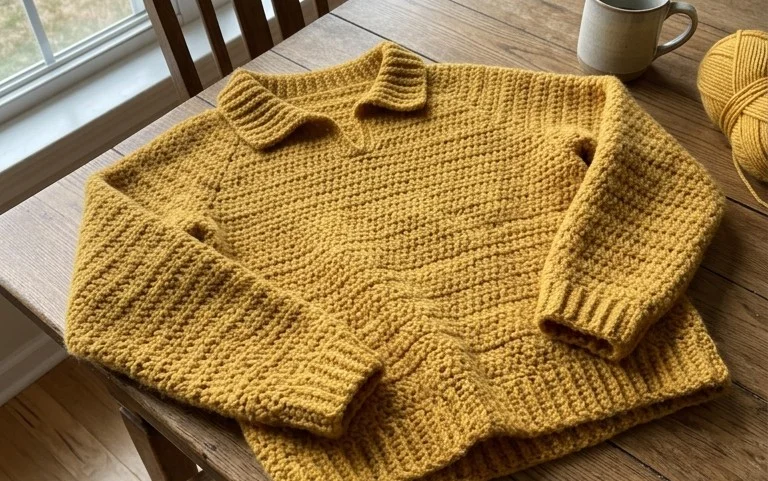
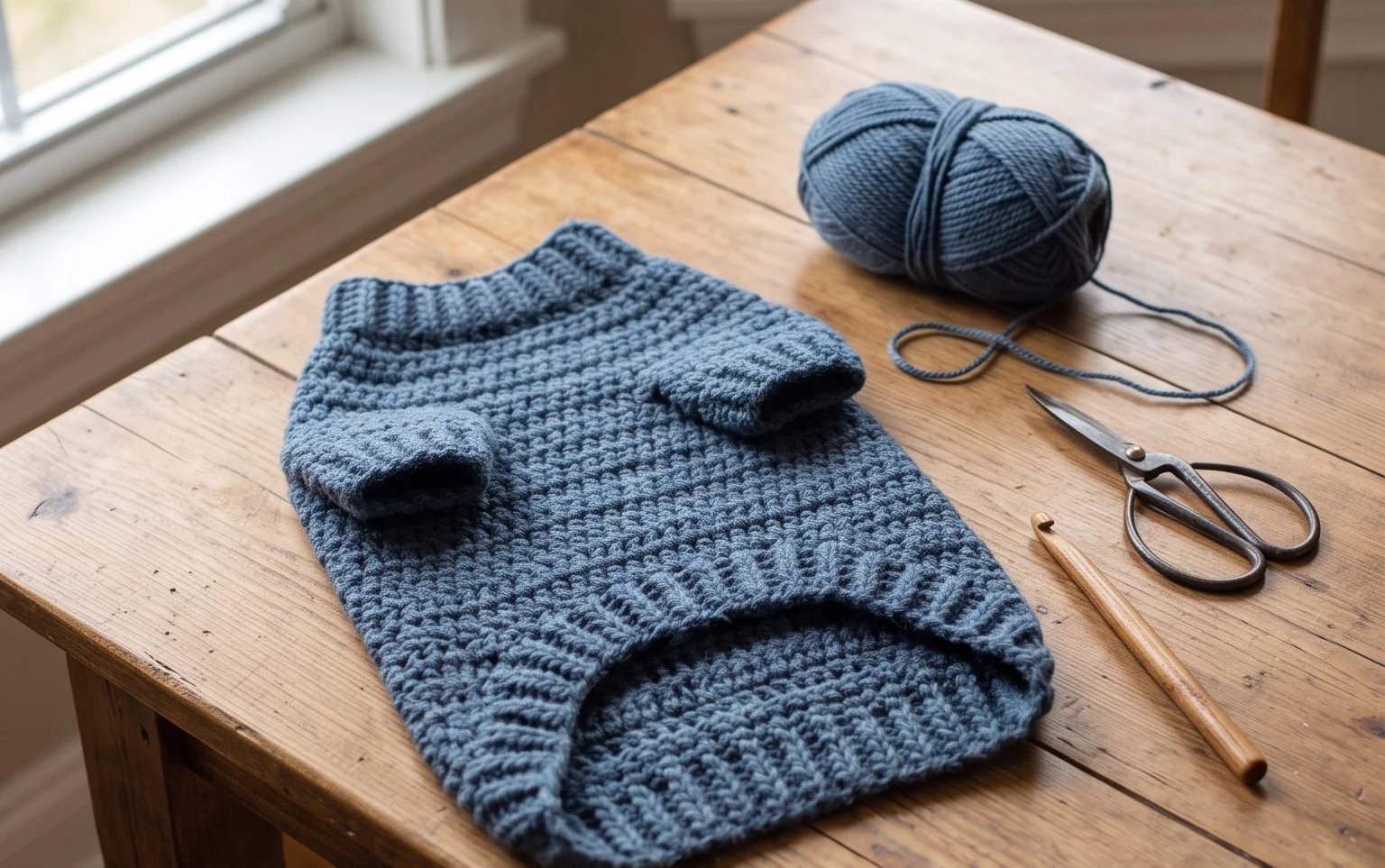
This cozy sweater features a soft, ribbed texture that keeps your pet warm on chilly morning walks. The snug fit provides comfort without restricting movement, making it a wonderful option for small and medium dogs alike. You will work primarily with single crochet stitches to build a durable fabric that stands up to regular wear and frequent washing. Whether you want to practice your shaping skills or need a quick gift for a friend with a puppy, this straightforward design offers a satisfying rhythm. Mastering the simple increases and decreases in this pattern allows you to create a professional look for your favorite animal companion.
Why This Project Is Worth Making
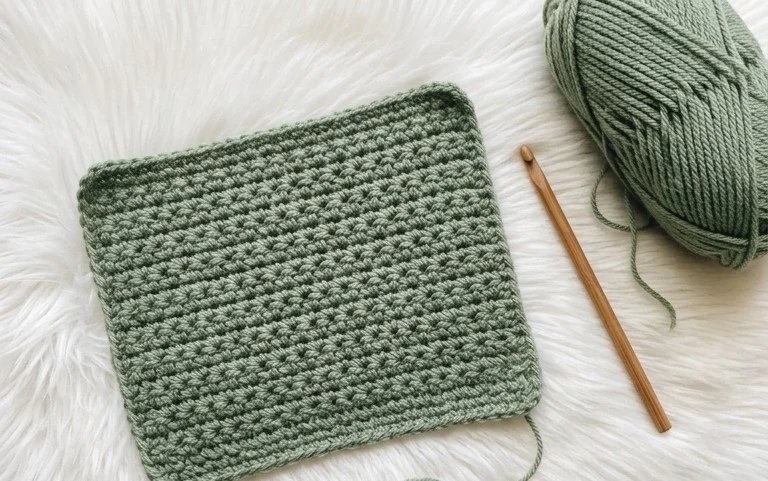
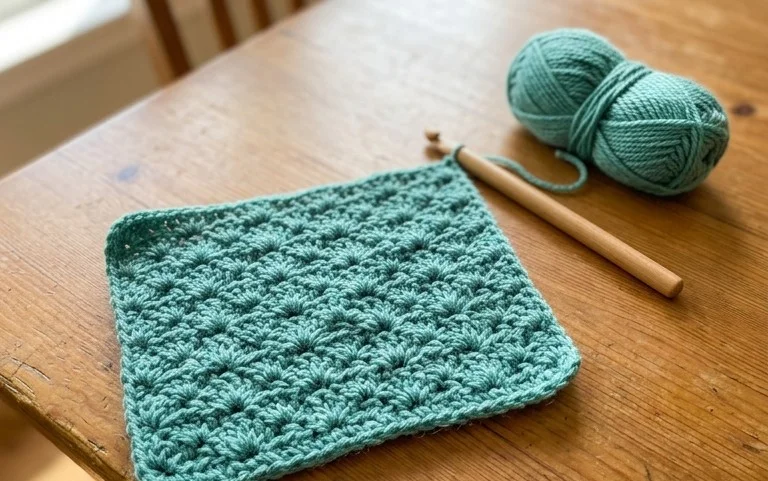
This simple cotton dishcloth project relies on the classic moss stitch, creating a durable fabric with a pebbled texture that is ideal for scrubbing surfaces. The alternating chain spaces and single crochet stitches make the fabric flexible and quick to work up, even for those new to crochet. Because it uses only basic stitches, you can maintain a rhythmic pace that makes this a perfect “mindless” project for busy evenings. The cotton construction ensures the finished item is absorbent, heat-resistant, and machine washable, making it a functional addition to any kitchen or a practical handmade gift.
I finished this dishcloth in a single evening while watching a movie. It works up surprisingly fast and the texture is perfect for washing dishes without being too harsh on my hands.
— Sarah, home crafter
Pattern Overview & Skill Level
- Skill Level: Beginner
- Approximate Time: 1–2 hours
- Construction: Worked in rows from the bottom up, finished with a simple border
- Finished Dimensions & Sizing: 8 inches by 8 inches
Materials & Supplies Needed
- Yarn: Worsted weight (#4) 100% cotton yarn, approximately 75 yards. Cotton is preferred for its heat resistance and absorbency.
- Hook Size: 5.0 mm (H-8) aluminum crochet hook to maintain consistent tension.
- Notions: Tapestry needle for weaving in ends, scissors, and optional stitch markers to keep track of row edges.
- Safe yarn substitutions: You may use a cotton-acrylic blend for a softer feel, though it will be slightly less absorbent than 100% cotton. Avoid wool, as it will felt when exposed to hot water and frequent washing.
Stitch Guide & Abbreviations (US Terms)
- ch: Chain
- sc: Single crochet
- sk: Skip
- st(s): Stitch(es)
- sl st: Slip stitch
- Moss Stitch: A pattern created by alternating single crochet and chain stitches, working into the chain spaces of the previous row.
Step-by-Step Pattern Instructions
Dishcloth Base
Start with a foundation chain of 32.
Row 1: Sc in the 4th ch from the hook. *Ch 1, sk 1 ch, sc in the next ch. Repeat from * across until the end. Turn. (15 sc, 15 ch-1 spaces)
Row 2: Ch 2, sc in the first ch-1 space. *Ch 1, sk the next sc, sc in the next ch-1 space. Repeat from * across, finishing with a sc in the turning chain space. Turn. (15 sc, 15 ch-1 spaces)
Row 3–30: Repeat Row 2 until the piece measures approximately 8 inches from the starting edge. Do not fasten off.
Border & Finishing
Rnd 1: Ch 1, work 1 sc in each st and ch-1 space around the entire perimeter of the square. Work 3 sc into each corner to ensure the border lays flat. Join with a sl st to the first sc. Fasten off.
Assembly: Use your tapestry needle to weave in all yarn tails securely along the back side of the border. Trim excess yarn close to the fabric to ensure a clean finish.
Care & Washing Instructions
- Machine wash in warm water on a gentle cycle to maintain the integrity of the cotton fibers.
- Lay the dishcloth flat on a clean towel to air dry, reshaping it into a perfect square while damp.
- Avoid using fabric softener, as it coats the cotton fibers and significantly reduces the absorbency of the cloth.
Pro Tips & Common Mistakes to Avoid
Pay close attention to your tension when working the chain stitches. If your chains are too tight, the dishcloth will pull inward and become trapezoidal rather than square. Use a stitch marker at the beginning of each row to help you identify the final chain space, as it is common for beginners to accidentally skip the last stitch of a row, which causes the edges to slant. If you prefer a larger cloth, simply start with an even number of chains and work as many rows as needed until you reach your desired length, keeping in mind that this will require additional yarn. To hide your ends effectively, weave the tail back and forth through the stitches in three different directions to ensure it remains secure through multiple wash cycles.
Frequently Asked Questions
Can I use a larger hook for this pattern?
Using a larger hook will make the fabric lacier and less dense. This is acceptable for a decorative cloth, but it will reduce the scrubbing power of the fabric, so a 5.0 mm hook is recommended for best results.
Is this pattern suitable for someone who has never crocheted before?
Yes, this is an ideal starter project. It uses only the most basic stitches and provides immediate feedback on how to maintain straight edges and even tension.
Can I sell the dishcloths I make from this pattern?
You are welcome to sell finished items made from this pattern. Please credit the designer when listing your products online or at craft fairs.
How do I prevent the edges from curling?
Curling usually happens if your tension is too tight. If you notice curling, try going up a hook size or intentionally loosening your grip on the yarn as you work the chain stitches.
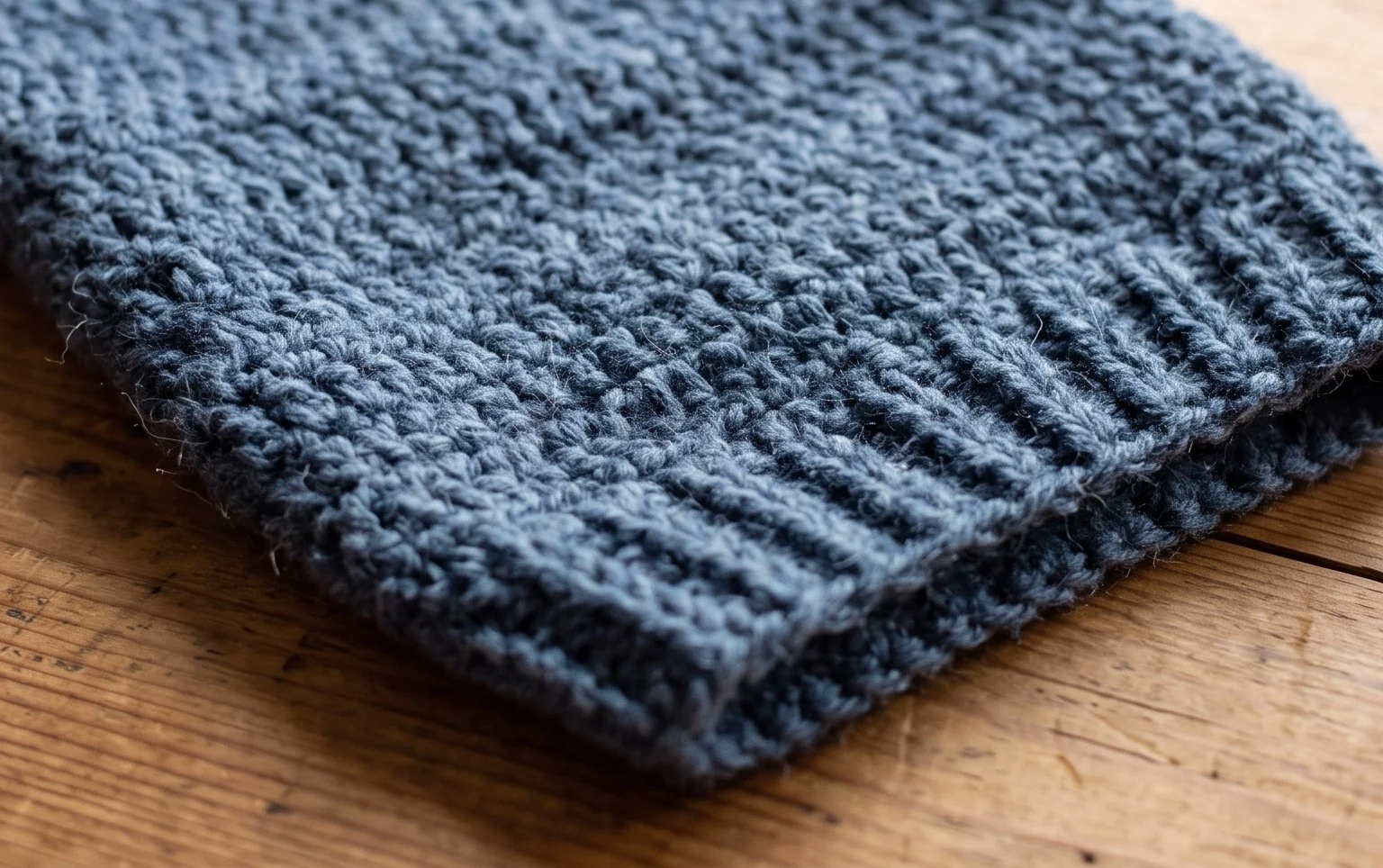
Seeing your pet wearing a handmade piece brings a special sense of accomplishment to any afternoon spent with yarn. You can swap the solid color for a fun variegated yarn or add a contrasting trim around the neck to make the sweater stand out even more. Once you finish your project, share a photo of your dog showing off their new look on social media so others can see your work. Feel free to browse through my other free patterns to find more projects for your home or next gift.