Easy Crochet Pullover Pattern: Free Beginner Sweater
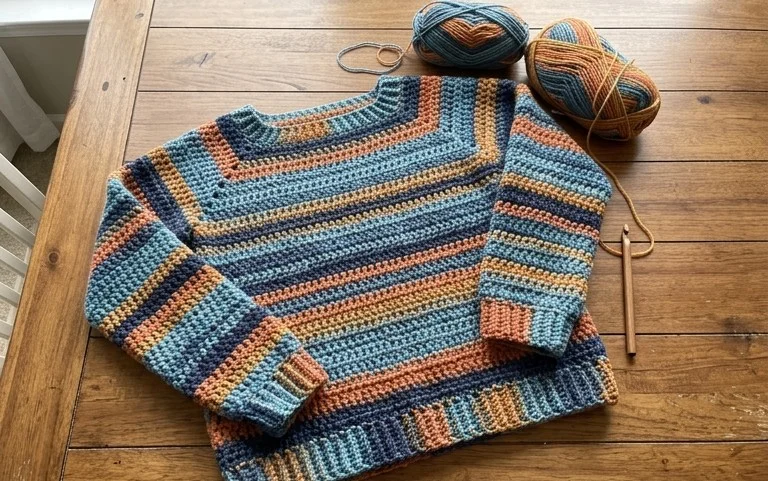
This pullover features a soft, breathable cotton blend that drapes comfortably against the skin, making it a reliable staple for chilly mornings or breezy evenings. You will appreciate the relaxed fit and the clean, classic lines that offer a polished look without the fuss of complicated construction. Beginners find the straightforward stitch patterns and repetitive rows particularly grounding, as the rhythm of the hook helps build confidence with every completed inch of fabric. Learning the basic increases and decreases within this design gives you the necessary skills to customize your garment length and sleeve width for a custom fit every time.
Why You’ll Love This Pattern
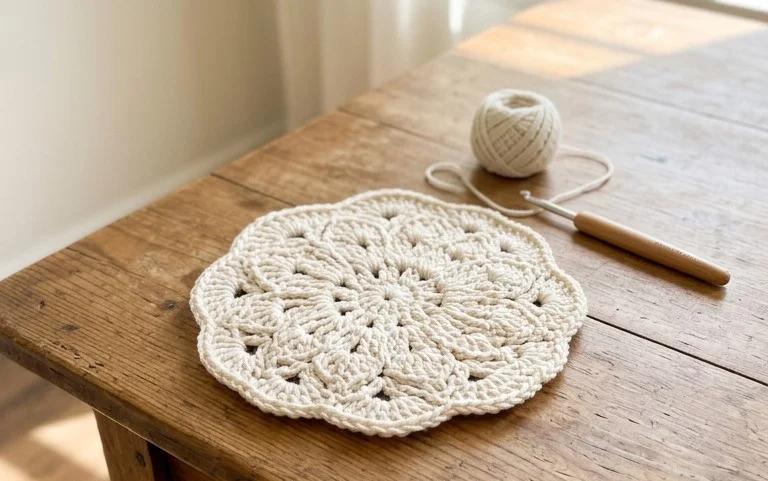
This beginner-friendly crochet coaster set works up in under an hour, making it an ideal choice for last-minute handmade gifts or refreshing your coffee table decor. The pattern relies on simple double crochet stitches worked in a flat circle, which helps you practice maintaining even tension while creating a functional item. Because the design uses minimal yardage, it is a perfect way to use up leftover cotton yarn from larger projects. The resulting coasters are sturdy, heat-resistant, and machine washable, ensuring they withstand daily use.
I managed to whip up a full set of four coasters in one evening while watching a movie. The instructions were very easy to follow and the finished result looks much more polished than the basic squares I usually make.
— Sarah, hobbyist crocheter
Pattern Overview & Skill Level
- Skill Level: Beginner
- Approximate Time: 15 minutes per coaster
- Construction: Worked in joined rounds, starting from a center point and increasing evenly to maintain a flat circle.
- Finished Dimensions: Approximately 4 inches in diameter.
Materials & Supplies Needed
- Yarn: Worsted weight (#4) 100% cotton yarn. Approximately 15 yards per coaster. Cotton is required for its heat resistance and moisture-wicking properties.
- Hook Size: 5.0 mm (H-8).
- Notions: Tapestry needle for weaving in ends, scissors, and an optional stitch marker to keep track of the round start.
- Yarn Substitutions: You may use acrylic yarn, though it will not absorb moisture as effectively as cotton and may melt if exposed to very hot mugs. Wool yarn is not recommended as it may felt over time with exposure to liquid.
Stitch Guide & Abbreviations (US Terms)
- ch: Chain
- st/sts: Stitch/stitches
- sl st: Slip stitch
- dc: Double crochet
- inc: Increase (work 2 dc in the same stitch)
- MR: Magic ring (or alternative ch 3 and sl st to first ch to form a ring)
Step-by-Step Pattern Instructions
Coaster Body
- Rnd 1: Start with a MR. Ch 3 (counts as first dc throughout), work 11 dc into the ring. Join with a sl st to the top of the beginning ch-3. (12 sts)
- Rnd 2: Ch 3, dc in the same st. Work 2 dc in each remaining st around. Join with a sl st to the top of the beginning ch-3. (24 sts)
- Rnd 3: Ch 3, 2 dc in the next st. Dc in the next st, 2 dc in the following st. Repeat from * to * around. Join with a sl st to the top of the beginning ch-3. (36 sts)
- Rnd 4: Ch 3, dc in the next st, 2 dc in the next st. Dc in the next 2 sts, 2 dc in the next st. Repeat from * to * around. Join with a sl st to the top of the beginning ch-3. (48 sts)
Finishing
Fasten off your yarn, leaving a 6-inch tail. Use a tapestry needle to weave the tail through the back loops of the final round to secure it. If you prefer a decorative edge, you can add a final round of reverse single crochet (crab stitch) around the perimeter, though the basic circle functions well on its own.
Care & Washing Instructions
- Machine wash on a gentle cycle in cold water with similar colors.
- Reshape the coasters while damp and lay them flat on a towel to air dry.
- Avoid using fabric softener, as it can reduce the absorbency of the cotton fibers over time.
Pro Tips & Common Mistakes to Avoid
Maintain consistent tension by holding your yarn with a steady grip throughout the round; if your circles begin to ripple or cup, your tension is likely too tight or too loose, respectively. Always place a stitch marker in the first stitch of every round to ensure you join to the correct spot, which keeps your seams invisible. When weaving in your ends, run the needle through the stitches in multiple directions to prevent the yarn from working itself loose after a wash. If you want to increase the size of the coaster, continue the pattern by adding more stitches between your increases in subsequent rounds, keeping in mind that each additional round will require significantly more yarn.
Frequently Asked Questions
Can I use a larger hook to make these coasters faster?
Using a larger hook will result in a larger, looser coaster with gaps between the stitches. This is generally discouraged for coasters because it allows condensation to seep through onto your furniture.
Why is my coaster curling into a bowl shape?
Curling usually happens when you do not have enough stitches in your round, meaning the piece does not have enough room to lay flat. Ensure you are completing all the increases as listed in the pattern.
Is it okay to sell coasters made from this pattern?
You are welcome to sell finished items made from this design. Please credit the pattern origin in your online listings or at craft fairs.
Can I use a different yarn weight for this project?
You can use a lighter or heavier yarn, but your finished dimensions will change. A lighter weight yarn will create a smaller coaster, while a heavier weight yarn will create a larger one, requiring a different number of rounds to reach the desired size.
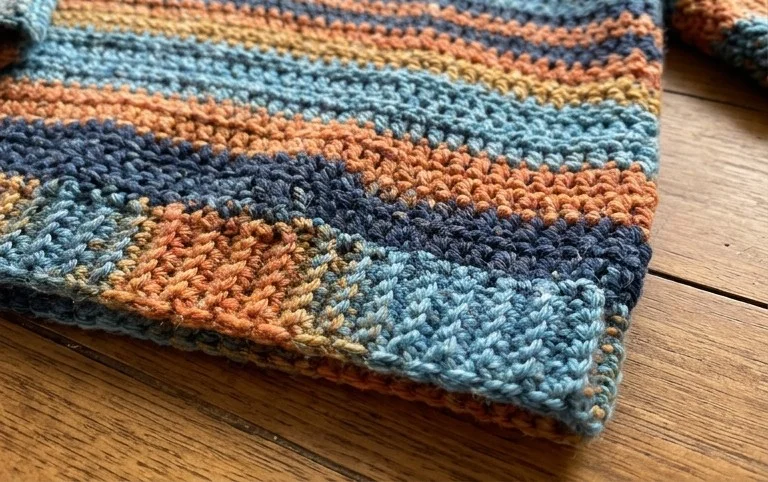
Your finished sweater provides a cozy layer that holds its shape through many washes and wears. Consider trying a variegated yarn for a subtle color shift or adding ribbed cuffs to give the sleeves a tighter finish around your wrists. Sharing your project photos helps other makers see how different fibers change the look of this classic garment. If you want more inspiration for your next clothing project, look through the rest of the site for additional garment designs and seasonal designs that keep your hands busy and your wardrobe full.